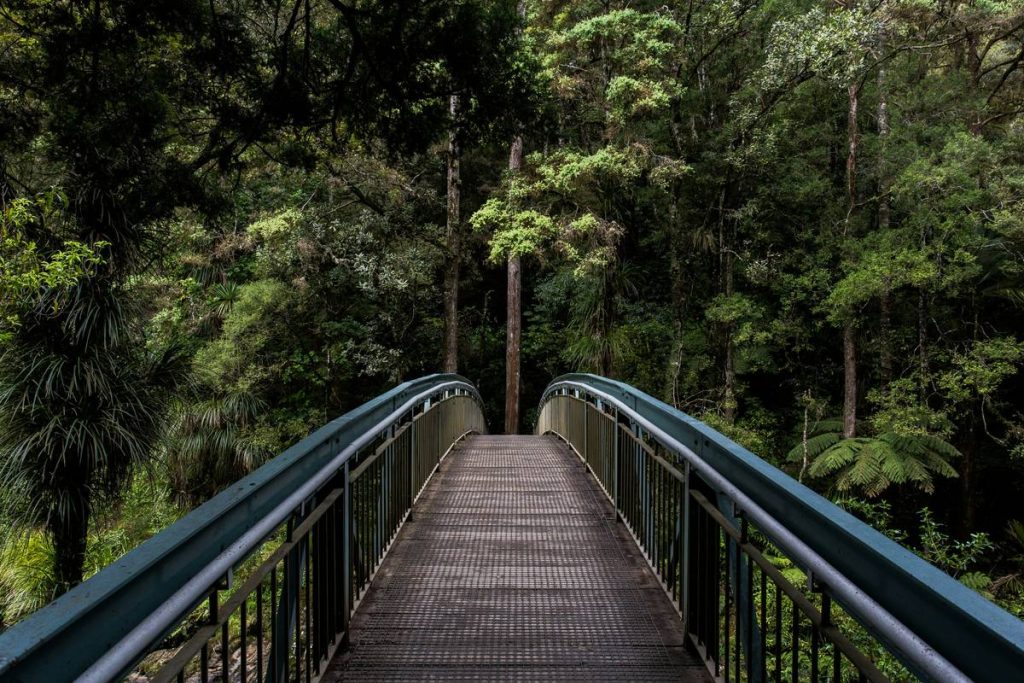
You love the idea of a garden bridge—but you’ve seen too many that look like afterthoughts slapped over dry creek beds. They wobble, fade fast, or clash with everything else in your yard. And worse? You’re not sure if now’s even the right time to install one. Here’s the fix: timing + technique = timeless charm. Get both right, and your garden decor bridge becomes a focal point—not a regret.
Why Most Garden Bridges Fail Within Two Seasons
People treat bridges like ornaments. They’re not. A garden bridge is functional architecture disguised as decor. Skip proper footing, ignore material expansion, or place it where no natural flow exists—and it’ll look staged, not serene.
And humidity? Sun exposure? Soil pH? All ignored. Then comes winter. Warping. Rot. Rust. Bye-bye beauty.
Garden Decor Bridge How to When: Your Step-by-Step Blueprint
Assess Your Site—Don’t Guess
Walk your yard after rain. Where does water actually move? Even if you’re building over dry land, mimic nature’s path. A bridge across nowhere feels fake. Over a subtle depression or between two planting zones? That’s authenticity.
Pick Materials Based on Climate—Not Pinterest
Cedar lasts decades in dry zones but swells in humid ones. Aluminum won’t rust—but it screams “hardware store” if poorly finished. Reclaimed teak? Gorgeous, yes—but verify it wasn’t treated with toxic oils. Ask for mill certificates.
Timing Isn’t Just Seasonal—It’s Botanical
Install in late spring or early fall. Why? Ground is stable—not frozen, not muddy. Plus, perennials aren’t in bloom, so you won’t trample irises or squash peonies during construction. Miss this window, and you’re repairing more than just wood.
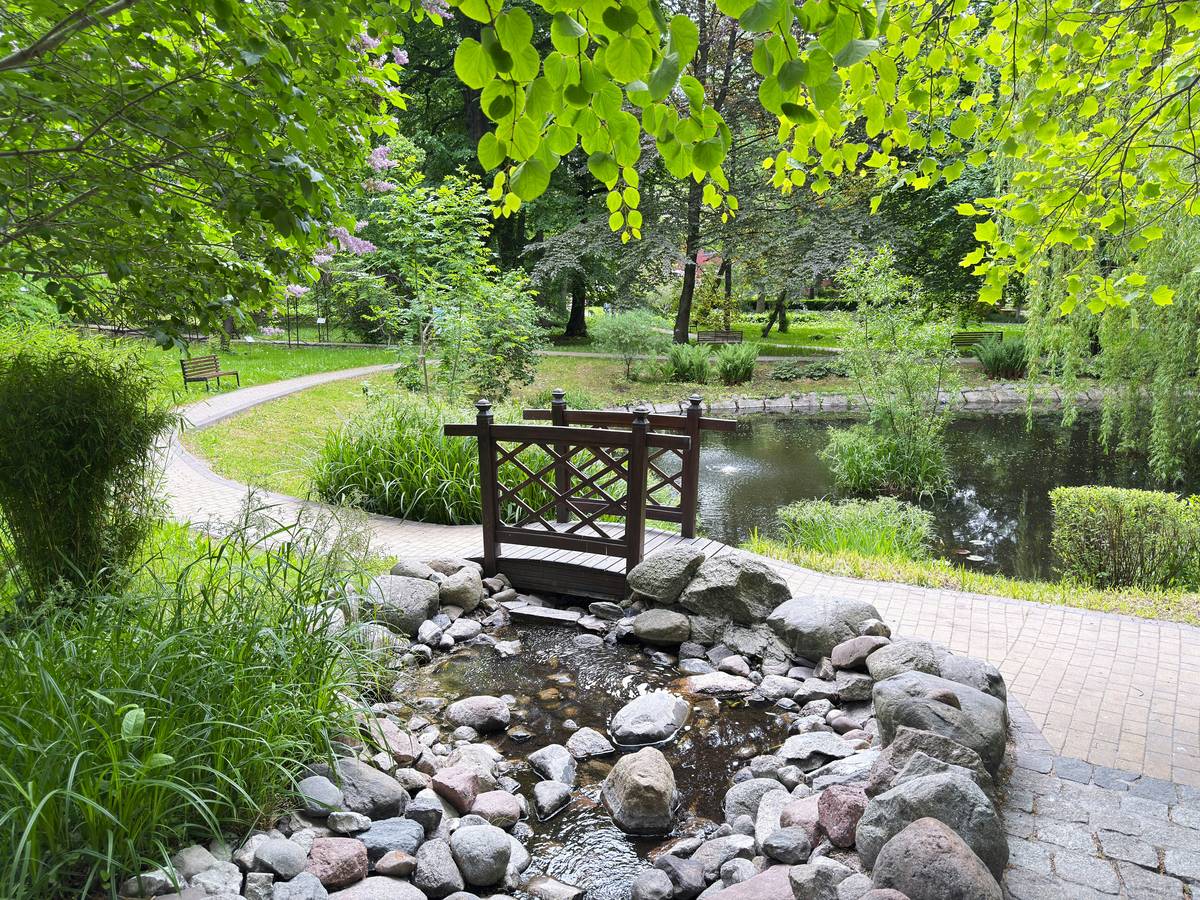
| Material | Avg. Lifespan | Best Climate | DIY Difficulty |
|---|---|---|---|
| Pressure-Treated Pine | 8–12 years | Dry to moderate humidity | Easy |
| Western Red Cedar | 15–20 years | Cool, dry, or coastal | Moderate |
| Recycled Plastic Lumber | 25+ years | All climates | Easy |
| Wrought Iron + Stone | 40+ years | Low-salt air (not coastal) | Hard |

The Industry Secret No Landscaper Will Tell You
Here’s what top-tier designers do—and never bill for: they build the bridge before final planting. Counterintuitive? Yes. But it lets roots grow undisturbed around piers, not under stress. Also—they offset the bridge 5° off true perpendicular. Why? It breaks symmetry just enough to feel organic. Your eye doesn’t notice the angle; it just feels “right.” Try it. You’ll never go straight again.
Frequently Asked Questions
When is the best month to install a garden bridge?
Late April to mid-May or September to early October—when soil is firm and plants are dormant.
Can I put a garden bridge over flat ground?
Yes—but create subtle elevation changes with mulch or gravel to suggest movement. Avoid placing it randomly in open lawn.
How wide should a backyard garden bridge be?
Minimum 24 inches for foot traffic. 36+ inches if you want wheelbarrow access or ADA-style usability.